 Vice Chair of West Ealing Neighbours, Eric Leach, looks at the housing situation in Ealing and finds few reasons to be cheerful about the future.
Recent research by the School of Medicine at University College London suggests that apart from smoking, the principal sources of avoidable illness and premature death are overcrowding, homelessness, a poor standard of housing and insecurity in housing. (Hansard HC Deb, 5 May 2011). These findings should leave no-one in any doubt as to the gravity of anyone not having a home.
The numbers of Rough Sleepers in London is on the rise. There were 3,673 in London in 2009/10 – an annual increase of 6%. (Crisis CHAIN database). This is the first uplift in the figures since 2002. Rough Sleepers life expectancy is 42 years. (Crisis).
Historically homes for the poor were described as Council Housing. Prime Minister Thatcher began the phasing out of Council House building in 1979. By also allowing Council House tenants to buy their homes that further depleted the stock of homes for the poor. Successive Governments have continued this policy of not building Council Housing. As of now there are three working definitions of housing stock for households whose needs are not met by the market.
- Affordable Housing -Affordable Housing includes Social Rented Housing and Intermediate Affordable Housing.
- Social Rented Housing – Owned and managed by Local Authorities and Registered Social Landlords (eg Housing Associations) at rents below market rates and determined by the national rent regime.
- Intermediate Affordable Housing – Housing at prices and rents above those of Social Rented Housing but below market prices and rents.
The size of the ‘unhoused’ in England and Ealing can be summed up in a string of facts which include:
There are 1.8 million people on Council Housing Waiting Lists in England. There are 17,000 on Ealing Council’s Housing List (Ealing Council, February 2011). Affordable Housing needs in Ealing are estimated at 3,213 homes (Shelter England). The building of Social Rented homes in Ealing is inadequate – only 126 of them were built last year (Ealing Council Annual Monitoring Report 2010). The cost of renting is 51% higher in London than the rest of the country (GLA report).
Government Proposals and Ramifications
The Government is cutting 65% off the budget for Social Home building. The poor are now to be asked to fund the building of new social housing. Rents on new Social Rented Homes (typically built by Housing Associations and by property developers) are to be increased from 40% of market rates to 80% of market rates. The cash raised from the increased rents is to be used to fund the building of new social housing. This initiative pretty much removes the distinction between Social Rented Housing and Intermediate Affordable Housing. If the former is to be 80% of market rents, and the latter (say) 90% of market rents there’s barely any difference between the two categories. I wonder which category will be ‘disappeared’ by the Government.
Many Housing Associations are wary about being able to achieve this uplift in social rents. They may well conclude that taking on the building of new social rented homes is too much of a financial hill to climb and may concentrate in the future on building homes for sale and/or acting as Registered Social Landlords. Family Mosaic, a well respected large Housing Association, has stated that ‘setting rents of 80% of market rent would increase our clients’ requirements for Housing Benefit by 151%.’ (Hansard HC Deb, 5 May 2011). Housing Benefits reform proposals will cost people living in social housing an additional £728/year. (National Housing Federation).
London Proposals
Social Rented Home building starts in London:
- 2010-11: 2,000 units (estimate)
- 2011-12: 2,000 units (estimate)
- 2012-13: 0 units (estimate)
- 2013-14: 0 units (estimate)
Source: Government’s Homes & Communities Agency
These numbers are pretty scary and seem quite unintelligible.
Ealing Proposals
2011-2026: 14,000 homes to be built of which 50% will be Affordable Housing units (7,000) and of which 60% will be Social Rented (4,200). (Draft LDF Core Strategy, September 2010
Likely outcomes for Ealing
Some people and families in central London boroughs will not be able to afford to live there and will move to cheaper boroughs which will include Ealing. Similarly people in Ealing may also move out to cheaper boroughs to the west, north and south.
Rough sleeping in Ealing is likely to increase.
The number of new social rented homes built over the next few years will be very small:
- The recently approved Planning Application for Westel House in Ealing centre for example boasts only 33 Affordable Rent units against a total of 225 private sale flats and hotel rooms to be built. (The number of social rent housing units in this 33 figure is unspecified in the Planning Application).
- The Green Man Lane Estate redevelopment will actually, over a five year period, reduce the number of Social Rented Housing units from 391 to 338. That is of course assuming that money from the heavily slashed social housing fund will be found to fund this social home building.
- The Dickens Yard development will include the building of 207 Affordable Rent housing units over the next five years. (The number of social rented housing units in this 207 figure is unspecified in the Planning Application).
- The largest planned housing development is Southall Gas Works where 1,125 Affordable Rent housing units will be built over the next ten years. I can’t find any information on how many of these 1,125 housing units will be Social Rental Homes.
It’s hard to see how and where the 4,200 new Social Rented Homes or the 7,000 new Affordable Homes will be achieved in Ealing by 2026.
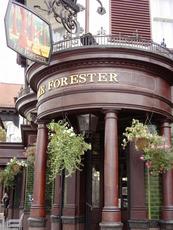 1. The Foresters Public House, 2, Leighton Road, W13 9EP

 It’s a chance to have a drink and a chat with your neighbours in West Ealing, meet some new people, and maybe even make a connection or two! We’re inviting local tweeters, bloggers, foodies, councillors and personalities. There will be locals to talk to about the arts in Ealing, including local film, reading and music. Or, if you’re interested in the bricks and mortar of our community, you can talk to people about local planning issues and regeneration. Maybe there’s a fantastic local restaurant you want to tell everyone about?